

When it comes to designing stylish, minimalist spaces, Bay Area architects are turning to an unexpected material: microtopping. This ultra-thin concrete finish is gaining popularity for its seamless look, durability, and ability to transform any surface into a modern design statement.
From sleek living rooms to high-end commercial spaces, microtopping delivers that polished, contemporary vibe without the heavy cost of full concrete slabs. So, why do architects in the Bay Area recommend microtopping for modern interiors? In this article, we’ll explore its unique benefits, design flexibility, and why it’s becoming a top choice for modern renovations.
Why Architects in the Bay Area Recommend Microtopping for Modern Interiors?
Microtopping has become a popular choice among architects in the Bay Area for modern interiors. This innovative material offers a sleek, contemporary aesthetic that aligns perfectly with the minimalist design trends prevalent in the region. Its versatility and durability make it an ideal choice for both residential and commercial spaces, providing a seamless and stylish finish that enhances any environment.
The Rise of Minimalist Concrete Finishes in Contemporary Design
Minimalist design has taken the architectural world by storm, and concrete finishes like microtopping are at the forefront of this movement. Architects in the Bay Area appreciate the clean lines and understated elegance that microtopping provides. It allows for a modern, industrial look without the heaviness of traditional concrete.
- Clean and sleek appearance
- Complements minimalist design trends
- Offers an industrial yet refined look
Versatility and Aesthetic Appeal of Microtopping
Microtopping is incredibly versatile, allowing architects to create unique and personalized designs. It can be applied to various surfaces, including floors, walls, and countertops, offering endless possibilities for customization. The aesthetic appeal of microtopping lies in its ability to mimic the look of polished concrete, stone, or even wood, depending on the desired finish.
- Can be applied to multiple surfaces
- Mimics various materials
- Offers endless customization options
Durability and Low Maintenance Benefits
One of the key reasons architects recommend microtopping is its durability. This material is resistant to wear and tear, making it suitable for high-traffic areas. Additionally, microtopping requires minimal maintenance, which is a significant advantage for homeowners and business owners alike.
- Resistant to wear and tear
- Suitable for high-traffic areas
- Requires minimal maintenance
Microtopping Applications in Residential and Commercial Spaces
Microtopping is not limited to a specific type of space; it can be used in both residential and commercial settings. Its adaptability makes it a favorite among architects looking to create cohesive and modern interiors.
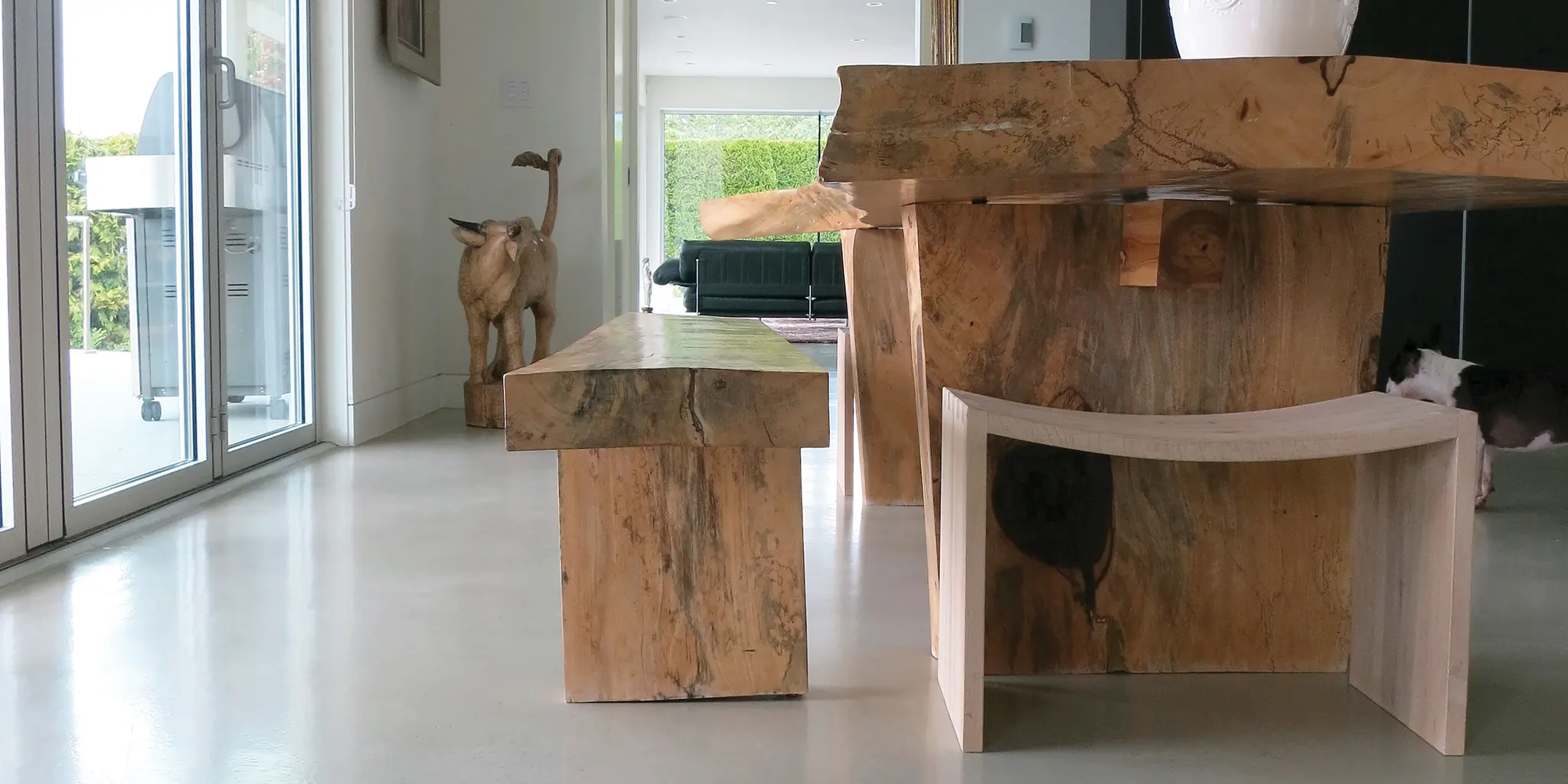
Kitchen and Bathroom Renovations
In residential spaces, microtopping is often used in kitchen and bathroom renovations. Its water-resistant properties make it an excellent choice for these areas, providing a seamless and easy-to-clean surface.
- Water-resistant properties
- Seamless and easy-to-clean surface
- Ideal for kitchens and bathrooms
Retail and Hospitality Environments
In commercial settings, microtopping is popular in retail and hospitality environments. Its aesthetic appeal and durability make it perfect for creating inviting and stylish spaces that can withstand heavy foot traffic.
- Aesthetic appeal for stylish spaces
- Durable for heavy foot traffic
- Ideal for retail and hospitality
Office and Workspace Transformations
Microtopping is also used in office and workspace transformations. It provides a modern and professional look that enhances productivity and creativity, making it a preferred choice for contemporary office designs.
- Modern and professional look
- Enhances productivity and creativity
- Preferred for contemporary office designs
Garages and Auto Dealerships
For garages and auto dealerships, microtopping offers a durable and easy-to-maintain surface. Its resistance to stains and abrasions makes it ideal for these environments, where spills and heavy equipment are common.
- Durable and easy-to-maintain
- Resistant to stains and abrasions
- Ideal for garages and auto dealerships
The Sustainable Aspects of Microtopping in Architecture
Sustainability is a crucial consideration in modern architecture, and microtopping aligns with this focus. Its eco-friendly properties make it an attractive option for architects committed to sustainable design.
Eco-Friendly Materials and Production Process
Microtopping is made from eco-friendly materials and involves a production process that minimizes environmental impact. This makes it a sustainable choice for architects looking to reduce their carbon footprint.
- Made from eco-friendly materials
- Minimizes environmental impact
- Reduces carbon footprint
Energy Efficiency in Climate Control
Microtopping contributes to energy efficiency by improving climate control within a space. Its thermal properties help maintain a consistent temperature, reducing the need for excessive heating or cooling.
- Improves climate control
- Maintains consistent temperature
- Reduces heating and cooling needs
Longevity and Reduced Replacement Needs
The longevity of microtopping means that it requires fewer replacements over time, reducing waste and conserving resources. This long-lasting material is an investment in sustainable architecture.
- Long-lasting material
- Reduces waste and resource use
- Investment in sustainable architecture
Innovative Techniques in Microtopping Installation
The installation of microtopping involves innovative techniques that allow for creative and customized finishes. These techniques enhance the material’s versatility and aesthetic appeal.
Custom Color Blending for Unique Finishes
Architects can create unique finishes by custom-blending colors during the microtopping installation process. This allows for personalized designs that reflect the client’s style and preferences.
- Custom color blending
- Personalized designs
- Reflects client style
Textured and Patterned Applications
Microtopping can be applied in textured and patterned forms, adding depth and interest to a space. These applications enhance the visual appeal and create a dynamic environment.
- Textured and patterned applications
- Adds depth and interest
- Enhances visual appeal
Seamless Integration with Existing Structures
One of the advantages of microtopping is its ability to seamlessly integrate with existing structures. This makes it an ideal choice for renovations and updates, providing a cohesive look.
- Seamless integration
- Ideal for renovations
- Provides a cohesive look
Cost-Effectiveness of Microtopping Compared to Traditional Finishes
Microtopping offers a cost-effective alternative to traditional finishes, providing long-term value and savings.
Initial Investment vs Long-Term Value
While the initial investment in microtopping may be higher than some traditional finishes, its long-term value is significant. The durability and low maintenance requirements result in cost savings over time.
- Higher initial investment
- Significant long-term value
- Cost savings over time
Reduced Labor and Material Costs
The installation of microtopping involves reduced labor and material costs compared to traditional finishes. This makes it an economical choice for both residential and commercial projects.
- Reduced labor costs
- Lower material costs
- Economical choice
Minimal Disruption During Installation
Microtopping installation causes minimal disruption, allowing for quicker project completion. This is a significant advantage for businesses and homeowners looking to minimize downtime.
- Minimal disruption
- Quicker project completion
- Minimizes downtime
How Does Microtopping Compare To Polished Concrete?
- Microtopping
- A thin cement-based overlay (typically 2–3 mm thick) applied over an existing substrate.
- Used to resurface old concrete, tile, wood, or other solid bases.
- Applied by hand or trowel, then sealed for protection.
- Polished Concrete
- Involves mechanically grinding and polishing an existing concrete slab to achieve a smooth, glossy finish.
- Relies heavily on the quality of the existing slab (aggregate exposure, hardness, and condition).
- Uses densifiers and sealers but keeps the original concrete exposed.
Aesthetic Flexibility
- Microtopping
- Wide color, texture, and finish customization (matte, satin, gloss).
- Can mimic stone, marble, or modern seamless plaster.
- Ideal for designers who want a uniform surface with no aggregate showing.
- Polished Concrete
- Natural look that showcases the original aggregate within the concrete.
- Limited color control unless dyes or stains are added.
- More industrial, raw aesthetic compared to microtopping’s designer look.
Thickness & Application Areas
- Microtopping
- Ultra-thin (2–3 mm), so it doesn’t raise floor levels significantly.
- Can be applied indoors or outdoors, even over radiant heating systems.
- Great for remodels where you don’t want to rip out existing flooring.
- Polished Concrete
- Depends on slab depth; requires structurally sound, fairly thick concrete.
- Works best for new builds, commercial warehouses, or homes with exposed slabs.
- Not suitable over tile, wood, or compromised slabs.
Durability & Maintenance
- Microtopping
- Resistant to wear but depends on sealers; requires resealing every 3–5 years.
- More prone to scratching compared to polished concrete.
- Good for residential and light commercial traffic.
- Polished Concrete
- Extremely durable; often lasts 10–20 years with proper care.
- Minimal maintenance, just regular cleaning and occasional resealing.
- Better for heavy foot traffic, industrial, or retail environments.
Cost Comparison
- Microtopping
- $5 – $15 per sq. ft., depending on design complexity and prep work.
- Decorative finishes or multi-layer applications push toward the higher end.
- Polished Concrete
- $3 – $12 per sq. ft. depending on level of polish, aggregate exposure, and slab condition.
- If the slab needs extensive repair, costs increase significantly.
Best Use Cases
- Microtopping is best for:
- Renovations where existing floors (tile, wood, old concrete) need a modern overlay.
- Clients want designer finishes with full control over color and texture.
- Minimal floor height impact (great for remodels with door/frame constraints).
- Polished Concrete is best for:
- Spaces with structurally sound slabs, warehouses, showrooms, lofts, and modern open-plan homes.
- Clients want a raw, natural, industrial feel.
- Long-term durability with minimal upkeep.
Can Microtopping be Used Outdoors?
Microtopping is not limited to indoor applications; it can also be used outdoors, offering weather-resistant properties and slip-resistant formulations.
Weather-Resistant Properties
Microtopping is designed to withstand various weather conditions, making it suitable for outdoor use. Its durability ensures it can handle the elements without deteriorating.
- Weather-resistant properties
- Suitable for outdoor use
- Durable in various conditions
Slip-Resistant Formulations
For outdoor applications, microtopping can be formulated to be slip-resistant, enhancing safety in areas like patios and walkways.
- Slip-resistant formulations
- Enhances safety
- Ideal for patios and walkways
Maintenance Requirements for Exterior Applications
While microtopping is durable, it does require some maintenance when used outdoors. Regular cleaning and sealing help preserve its appearance and functionality.
- Requires maintenance
- Regular cleaning and sealing
- Preserves appearance and functionality
Microtopping Performance in High-Traffic Areas
Microtopping is known for its performance in high-traffic areas, offering durability, resistance to stains and abrasions, and easy cleaning protocols.
Durability in Commercial Settings
In commercial settings, microtopping’s durability is a significant advantage. It can withstand heavy foot traffic and maintain its appearance over time.
- Durable in commercial settings
- Withstands heavy foot traffic
- Maintains appearance
Resistance to Stains and Abrasions
Microtopping is resistant to stains and abrasions, making it ideal for high-traffic areas where spills and wear are common.
- Resistant to stains and abrasions
- Ideal for high-traffic areas
- Handles spills and wear
Easy Cleaning and Maintenance Protocols
The easy cleaning and maintenance protocols of microtopping make it a practical choice for busy environments. Its low maintenance requirements save time and effort.
- Easy cleaning protocols
- Low maintenance requirements
- Saves time and effort
Final Thoughts
Microtopping is a versatile and innovative material that architects in the Bay Area recommend for modern interiors. Its aesthetic appeal, durability, and sustainability make it an ideal choice for a variety of applications. Whether used in residential or commercial spaces, microtopping offers a contemporary and stylish finish that enhances any environment. As architects continue to prioritize sustainability and modern design, microtopping is likely to remain a popular choice for years to come.