

Self-leveling epoxy is a popular choice for both residential and commercial flooring due to its seamless finish and durability. However, there are many aspects of using self-leveling epoxy that are not commonly discussed. This article aims to shed light on these lesser-known facts, providing you with a comprehensive understanding of what to expect when using self-leveling epoxy.
Understanding Self-Leveling Epoxy
Self-leveling epoxy is a type of resin that spreads out evenly across a surface, creating a smooth and level finish. It is often used to cover floors, providing a durable and aesthetically pleasing surface. Despite its popularity, there are several misconceptions about its application and benefits.
- Smooth Finish: Self-leveling epoxy creates a seamless surface that is both attractive and easy to clean.
- Durability: Known for its strength, self-leveling epoxy can withstand heavy foot traffic and resist damage.
Benefits of Self-Leveling Epoxy
Self-leveling epoxy offers numerous advantages over traditional flooring options. Its unique properties make it an ideal choice for various applications.
Advantages Over Traditional Flooring Options
Self-leveling epoxy provides a seamless finish that is not only visually appealing but also highly functional. Unlike traditional flooring, it does not have grout lines or seams where dirt can accumulate, making it easier to maintain.
- Seamless Surface: No grout lines or seams.
- Easy Maintenance: Simple to clean and maintain.
- High Durability: Resistant to wear and tear.
Ideal Applications for Homes and Businesses
Self-leveling epoxy is versatile and can be used in a variety of settings, from residential homes to commercial spaces. Its durability and aesthetic appeal make it suitable for kitchens, garages, warehouses, and more.
- Residential Use: Kitchens, bathrooms, and garages.
- Commercial Use: Warehouses, showrooms, and retail spaces.
Common Misconceptions About Self-Leveling Epoxy
Many people believe that self-leveling epoxy is difficult to apply or that it is only suitable for industrial settings. In reality, it is user-friendly and can be used in a wide range of environments.
- Ease of Application: Contrary to popular belief, self-leveling epoxy is relatively easy to apply with the right tools and preparation.
- Versatility: Suitable for both residential and commercial use.
What Is Self-Leveling Epoxy
Self-leveling epoxy is a two-part resin system that, when mixed, creates a hard, durable surface. It is known for its ability to level itself out, filling in any imperfections on the floor.
Composition and Properties
Self-leveling epoxy is composed of a resin and a hardener. When these two components are mixed, they undergo a chemical reaction that results in a hard, plastic-like surface.
- Two-Part System: Consists of resin and hardener.
- Chemical Reaction: Creates a durable, plastic-like surface.
Applications in Residential and Commercial Spaces
Self-leveling epoxy is ideal for a variety of applications due to its durability and aesthetic appeal. It is commonly used in both residential and commercial settings.
- Residential Applications: Ideal for kitchens, bathrooms, and garages.
- Commercial Applications: Suitable for warehouses, showrooms, and retail spaces.
What’s Neat About Self-Leveling Epoxy
Self-leveling epoxy is not only functional but also offers a range of aesthetic options. Its versatility and durability make it a popular choice for many.
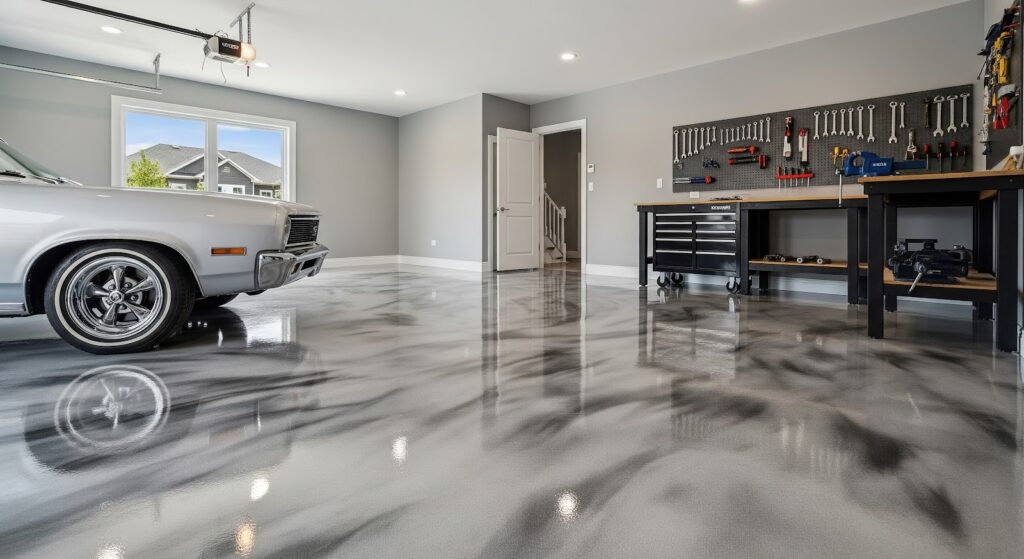
Aesthetic Appeal and Versatility
Self-leveling epoxy is available in a variety of colors and finishes, allowing for customization to suit any design preference. Its seamless finish adds a modern touch to any space.
- Color Options: Available in a wide range of colors.
- Custom Finishes: Options for matte or glossy finishes.
Durability and Longevity
One of the standout features of self-leveling epoxy is its durability. It can withstand heavy foot traffic and is resistant to chemicals and stains, making it a long-lasting flooring solution.
- Resistant to Wear: Withstands heavy foot traffic.
- Chemical Resistance: Resistant to stains and chemicals.
Why Self-Leveling Epoxy Sucks
While self-leveling epoxy has many benefits, it is not without its drawbacks. Understanding these limitations can help you make an informed decision.
Potential Drawbacks and Limitations
Self-leveling epoxy can be expensive and may require professional installation. Additionally, it can be sensitive to temperature and humidity during application.
- Cost: Can be more expensive than other flooring options.
- Installation: May require professional installation.
Common Issues and How to Avoid Them
Improper application can lead to issues such as bubbling or uneven surfaces. Ensuring proper preparation and following application guidelines can help avoid these problems.
- Bubbling: Can occur if not applied correctly.
- Uneven Surfaces: Result from improper application.
Self-Leveling Epoxy Don’ts
To ensure a successful application, it is important to avoid common mistakes and follow maintenance tips for longevity.
Mistakes to Avoid During Application
Avoiding common mistakes during application can help ensure a smooth and durable finish. Proper preparation and following instructions are key.
- Improper Mixing: Ensure resin and hardener are mixed thoroughly.
- Ignoring Surface Preparation: Properly clean and prepare the surface before application.
Maintenance Tips for Longevity
Regular maintenance can help extend the life of your self-leveling epoxy floor. Simple cleaning and care can keep it looking new for years.
- Regular Cleaning: Sweep and mop regularly to prevent dirt buildup.
- Avoid Harsh Chemicals: Use gentle cleaning solutions to avoid damage.
Preparation for Applying Self-Leveling Epoxy
Proper preparation is crucial for a successful self-leveling epoxy application. Ensuring a flat surface and using the right tools can make all the difference.
Importance of a Flat Surface
A flat surface is essential for self-leveling epoxy to spread evenly. Any imperfections can lead to an uneven finish.
- Surface Leveling: Ensure the surface is flat and free of debris.
- Crack Filling: Fill any cracks or holes before application.
Necessary Tools and Materials
Having the right tools and materials on hand can make the application process smoother and more efficient.
- Mixing Tools: Use a drill with a mixing attachment for thorough mixing.
- Application Tools: Use a squeegee or roller for even application.
Surface Cleaning and Crack Filling
Proper cleaning and crack filling are essential steps in the preparation process. This ensures a smooth and even finish.
- Thorough Cleaning: Remove all dirt and debris from the surface.
- Crack Repair: Fill any cracks or holes with an appropriate filler.
Using Self-Leveling Epoxy Outdoors
While self-leveling epoxy is commonly used indoors, it can also be used outdoors with the right precautions.
Weather Considerations
Weather conditions can affect the application and curing of self-leveling epoxy. It is important to consider temperature and humidity when applying outdoors.
- Temperature: Avoid applying in extreme temperatures.
- Humidity: High humidity can affect curing time.
Protective Measures for Outdoor Use
Taking protective measures can help ensure the longevity of self-leveling epoxy when used outdoors.
- UV Protection: Use a UV-resistant topcoat to prevent fading.
- Sealant: Apply a sealant to protect against moisture.
Longevity of Self-Leveling Epoxy
The longevity of self-leveling epoxy depends on several factors, including proper application and maintenance.
Factors Affecting Durability
Several factors can affect the durability of self-leveling epoxy, including the quality of the materials used and the conditions in which it is applied.
- Material Quality: Use high-quality epoxy for best results.
- Application Conditions: Ensure proper temperature and humidity during application.
Maintenance Practices for Long Life
Regular maintenance can help extend the life of your self-leveling epoxy floor. Simple cleaning and care can keep it looking new for years.
- Regular Cleaning: Sweep and mop regularly to prevent dirt buildup.
- Avoid Harsh Chemicals: Use gentle cleaning solutions to avoid damage.
Truths About Self-Leveling Epoxy
Understanding the truths about self-leveling epoxy can help ensure a successful application and long-lasting results.
Start With a Flat Floor
A flat floor is essential for self-leveling epoxy to spread evenly. Any imperfections can lead to an uneven finish.
Apply Enough Quantity
Applying the right amount of epoxy is crucial for achieving a smooth and even finish. Too little can result in an uneven surface.
Use Well-Maintained Epoxy Tools
Using well-maintained tools can help ensure a smooth application and prevent issues such as bubbling or uneven surfaces.
Seal the Surface Properly
Proper sealing is essential for protecting the epoxy surface and ensuring its longevity.
Have a Leveling-Friendly Substrate
A leveling-friendly substrate is crucial for achieving a smooth and even finish with self-leveling epoxy.
Work in a Clean and Sterile Environment
A clean and sterile environment is essential for preventing contamination and ensuring a smooth finish.
Avoid Cold Weather During Application
Cold weather can affect the curing process of self-leveling epoxy, leading to issues such as bubbling or uneven surfaces.
Conclusion
Self-leveling epoxy is a versatile and durable flooring option that offers many benefits. However, it is important to understand the potential drawbacks and take the necessary precautions to ensure a successful application. By following the tips and guidelines outlined in this article, you can achieve a smooth and long-lasting finish with self-leveling epoxy.
Frequently Asked Questions
How do you prepare a floor for self-leveling epoxy?
To prepare a floor for self-leveling epoxy, ensure the surface is clean, dry, and free of debris. Fill any cracks or holes with an appropriate filler and ensure the surface is level. Proper preparation is crucial for achieving a smooth and even finish.
Can self-leveling epoxy be used outdoors?
Yes, self-leveling epoxy can be used outdoors with the right precautions. Consider weather conditions such as temperature and humidity during application. Use a UV-resistant topcoat and sealant to protect against fading and moisture.
How long does self-leveling epoxy last?
The longevity of self-leveling epoxy depends on several factors, including proper application and maintenance. With regular cleaning and care, self-leveling epoxy can last for many years. High-quality materials and proper application conditions also contribute to its durability.
What mistakes should be avoided when applying self-leveling epoxy?
Common mistakes to avoid when applying self-leveling epoxy include improper mixing, ignoring surface preparation, and applying in extreme weather conditions. Ensuring proper preparation and following application guidelines can help avoid these issues.
What are the benefits of self-leveling epoxy for floors?
Self-leveling epoxy offers numerous benefits for floors, including a seamless finish, easy maintenance, and high durability. It is resistant to wear and tear, chemicals, and stains, making it a long-lasting flooring solution.**