

Epoxy flooring is a popular choice for both residential and commercial spaces due to its durability and aesthetic appeal. Understanding the costs associated with epoxy flooring is crucial for anyone considering this option. The cost can vary significantly based on several factors, including the type of epoxy used, the size of the area, and any additional customizations. By gaining a clear understanding of these costs, you can make informed decisions and plan your budget effectively.
Epoxy flooring costs are influenced by various elements, such as the type of epoxy, the complexity of the installation, and the specific requirements of the project. It’s important to consider these factors to ensure you get the best value for your investment. In this article, we will explore the average costs, factors affecting pricing, and tips for choosing the right epoxy flooring for your needs.
Average Cost of Epoxy Flooring
The national average cost of epoxy flooring can range from $3 to $12 per square foot. This wide range is due to the different types of epoxy available and the varying levels of complexity involved in the installation process. On average, homeowners can expect to pay around $1,200 to $3,000 for a standard two-car garage.
- Basic Epoxy Coating: $3 to $7 per square foot
- High-End Epoxy Coating: $8 to $12 per square foot
- Average Total Cost for a Two-Car Garage: $1,200 to $3,000
Factors Affecting Epoxy Flooring Cost
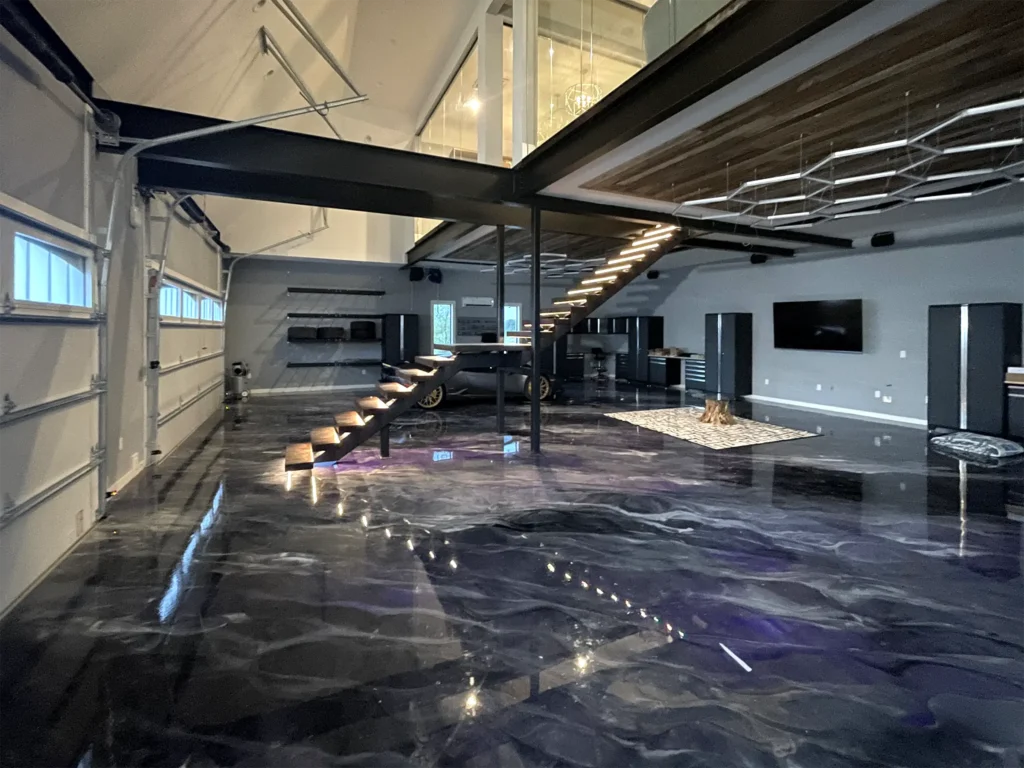
Several factors can influence the cost of epoxy flooring. Understanding these factors can help you make informed decisions and avoid unexpected expenses.
Planning Your Budget Effectively
Planning your budget is essential when considering epoxy flooring. By understanding the costs involved, you can allocate funds appropriately and avoid overspending. Consider the size of the area, the type of epoxy, and any additional features you may want to include.
- Area Size: Larger areas will naturally cost more due to the increased amount of materials and labor required.
- Type of Epoxy: Different types of epoxy have varying costs, with high-end options being more expensive.
- Additional Features: Customizations such as decorative chips or anti-slip additives can increase the overall cost.
Choosing the Right Type and Finish
Selecting the right type and finish of epoxy is crucial for achieving the desired look and functionality. Different types of epoxy offer varying levels of durability and aesthetic appeal.
- Solid Epoxy: Known for its durability and strength, solid epoxy is a popular choice for high-traffic areas.
- Metallic Epoxy: Offers a unique, reflective finish that adds a touch of elegance to any space.
- Polyaspartic Epoxy: Provides a fast-curing option with excellent UV resistance, ideal for outdoor applications.
Cost by Type of Epoxy
The type of epoxy you choose will significantly impact the overall cost of your flooring project. Each type offers distinct advantages and price points.
Solid Epoxy
Solid epoxy is a durable and long-lasting option, making it ideal for high-traffic areas. It typically costs between $4 and $8 per square foot.
- Durability: High resistance to wear and tear
- Cost: $4 to $8 per square foot
- Ideal For: Garages, warehouses, and industrial spaces
Metallic Epoxy
Metallic epoxy provides a unique, reflective finish that can enhance the aesthetic appeal of any space. It is generally more expensive, ranging from $8 to $12 per square foot.
- Aesthetic Appeal: Offers a luxurious, high-gloss finish
- Cost: $8 to $12 per square foot
- Ideal For: Showrooms, retail spaces, and residential interiors
Polyaspartic Epoxy
Polyaspartic epoxy is known for its fast curing time and UV resistance, making it suitable for outdoor applications. It costs between $6 and $10 per square foot.
- Fast Curing: Quick installation process
- Cost: $6 to $10 per square foot
- Ideal For: Outdoor patios, driveways, and pool decks
Cost by Customizations and Additives
Customizations and additives can enhance the functionality and appearance of epoxy flooring but may also increase the overall cost.
Decorative Chips and Flakes
Adding decorative chips or flakes can create a unique, textured look. This customization typically adds $1 to $2 per square foot to the total cost.
- Visual Appeal: Enhances the aesthetic of the floor
- Cost: Additional $1 to $2 per square foot
- Benefits: Provides a slip-resistant surface
Textured or Anti-Slip Additives
Textured or anti-slip additives are essential for areas prone to moisture, such as bathrooms or kitchens. These additives can add $1 to $3 per square foot to the cost.
- Safety: Reduces the risk of slipping
- Cost: Additional $1 to $3 per square foot
- Ideal For: Wet areas, commercial kitchens, and bathrooms
Color Pigments and Finishes
Color pigments and finishes allow for customization of the floor’s appearance. These options can add $2 to $5 per square foot to the overall cost.
- Customization: Wide range of colors and finishes available
- Cost: Additional $2 to $5 per square foot
- Benefits: Personalizes the space to match your style
Cost by Coating and Sealing
The number of coats and type of sealer used can affect the durability and cost of epoxy flooring.
Single vs. Multiple Coats
Applying multiple coats of epoxy can enhance durability but will increase the cost. A single coat may cost $3 to $5 per square foot, while multiple coats can range from $6 to $10 per square foot.
- Durability: Multiple coats offer better protection
- Cost: $3 to $10 per square foot, depending on the number of coats
- Consideration: Balance cost with desired durability
Clear Sealers and Protective Layers
Clear sealers and protective layers can extend the life of epoxy flooring. These options typically add $1 to $3 per square foot to the cost.
- Protection: Shields against scratches and stains
- Cost: Additional $1 to $3 per square foot
- Benefits: Prolongs the lifespan of the flooring
How Much Does It Cost To Epoxy A Garage Floor
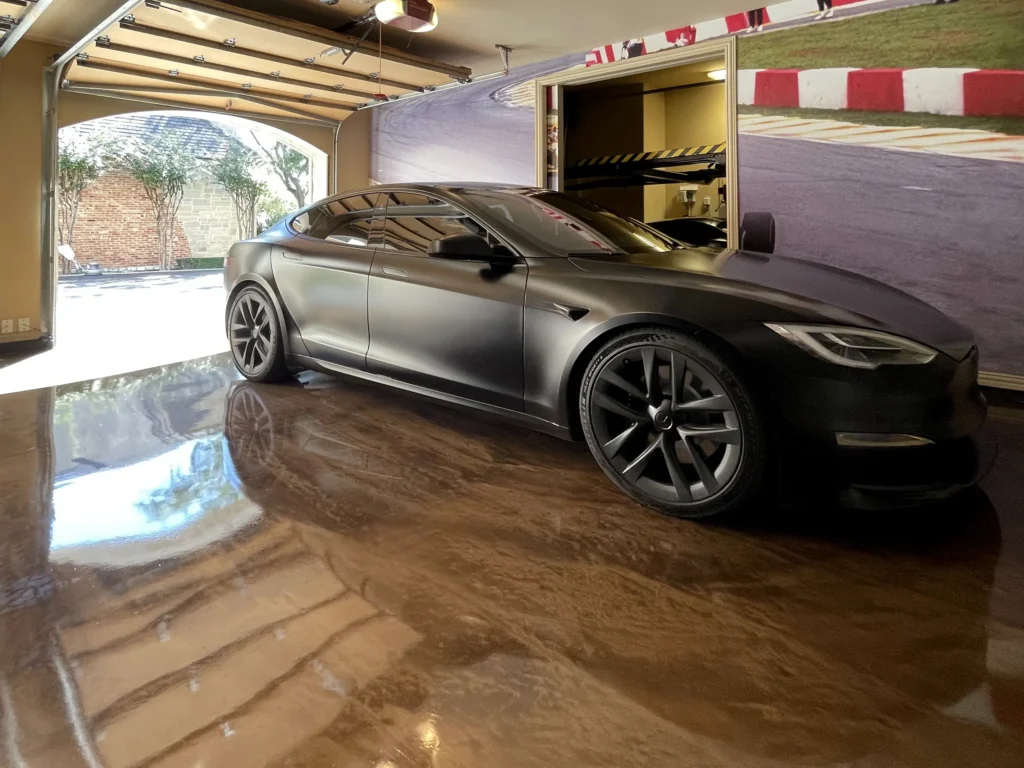
Epoxy flooring is a popular choice for garage floors due to its durability and easy maintenance. The cost of epoxy flooring for a garage can vary based on several factors.
Dimensions of Your Garage
The size of your garage will significantly impact the cost of epoxy flooring. Larger garages require more materials and labor, increasing the overall cost.
- Two-Car Garage: Typically costs between $1,200 and $3,000
- Single-Car Garage: Costs range from $750 to $1,500
- Consideration: Measure your garage to estimate costs accurately
Labor Costs
Labor costs can vary depending on the complexity of the installation and the region. On average, labor costs range from $1 to $5 per square foot.
- Installation Complexity: More complex installations may incur higher labor costs
- Cost: $1 to $5 per square foot
- Tip: Obtain multiple quotes to find the best price
Materials and Equipment Required
The cost of materials and equipment can also affect the overall cost of epoxy flooring for a garage. This includes the epoxy itself, as well as any necessary tools and equipment.
- Epoxy Material: $3 to $7 per square foot
- Equipment Rental: Additional costs for tools and equipment
- Consideration: Factor in all material and equipment costs
DIY vs. Professional Epoxy Flooring
When considering epoxy flooring, you have the option to do it yourself or hire a professional. Each option has its own set of costs and considerations.
DIY Epoxy Flooring Costs and Considerations
DIY epoxy flooring can be a cost-effective option, but it requires time, effort, and the right tools. The cost of materials for a DIY project typically ranges from $2 to $5 per square foot.
- Cost Savings: Lower overall cost compared to professional installation
- Time and Effort: Requires significant time and effort
- Tools Required: May need to purchase or rent tools
Professional Installation Costs
Hiring a professional for epoxy flooring installation ensures a high-quality finish but comes at a higher cost. Professional installation typically ranges from $4 to $12 per square foot.
- Quality Assurance: Professional installation ensures a flawless finish
- Cost: $4 to $12 per square foot
- Consideration: Weigh the cost against the benefits of professional expertise
How to Save on Epoxy Flooring
There are several ways to save on epoxy flooring costs, whether you choose to DIY or hire a professional.
- Compare Quotes: Obtain multiple quotes from professionals to find the best price
- Bulk Purchase: Buy materials in bulk to reduce costs
- Off-Peak Installation: Schedule installation during off-peak times for potential discounts
Can I Epoxy My Floor Myself?
Yes, you can epoxy your floor yourself, but it requires careful preparation and the right materials. DIY epoxy flooring can be a cost-effective option if you have the time and skills to complete the project.
Preparing the Site for Application
Proper site preparation is crucial for a successful epoxy flooring installation. This includes cleaning the surface, repairing any damage, and ensuring the area is dry and free of debris.
- Cleaning: Thoroughly clean the surface to remove dirt and grease
- Repairs: Fix any cracks or damage before applying epoxy
- Dry Surface: Ensure the area is completely dry to prevent adhesion issues
Types of Epoxy Suitable for DIY
Not all epoxy types are suitable for DIY projects. It’s important to choose an epoxy that is easy to work with and provides the desired finish.
- Water-Based Epoxy: Easier to apply and clean up
- 100% Solid Epoxy: Offers a durable finish but may be more challenging to apply
- Consideration: Choose an epoxy that matches your skill level
Epoxy Training Classes and Resources
If you’re considering a DIY epoxy flooring project, training classes and resources can provide valuable guidance and tips.
- Online Tutorials: Access free tutorials and videos online
- Local Workshops: Attend workshops for hands-on experience
- Books and Guides: Purchase books or guides for detailed instructions
Pros and Cons of Epoxy Floor Coating
Epoxy floor coating offers several advantages, but there are also some drawbacks to consider.
Pros: Durability, Low Cost, Customizability, Easy Maintenance
Epoxy flooring is known for its durability and low maintenance requirements. It is also highly customizable, allowing you to choose from a variety of colors and finishes.
- Durability: Resistant to wear and tear
- Low Cost: Affordable compared to other flooring options
- Customizability: Wide range of colors and finishes available
- Easy Maintenance: Simple to clean and maintain
Cons: Challenging to Install, Slippery, Potential Discoloration
While epoxy flooring has many benefits, there are some potential drawbacks to consider. It can be challenging to install, and the surface may become slippery when wet.
- Installation: Requires skill and precision for a flawless finish
- Slippery Surface: Can be slippery when wet, posing a safety risk
- Discoloration: May discolor over time, especially in areas exposed to sunlight
What Is The Difference Between Epoxy Flooring and Polyurethane
Epoxy and polyurethane are both popular flooring options, but they have distinct differences.
Comparison of Epoxy and Polyurethane
Epoxy is known for its durability and strength, while polyurethane offers greater flexibility and UV resistance. Each material has its own set of benefits and limitations.
- Durability: Epoxy is more durable and resistant to wear
- Flexibility: Polyurethane is more flexible and less prone to cracking
- UV Resistance: Polyurethane offers better UV resistance, making it suitable for outdoor use
Benefits and Limitations of Each Material
Both epoxy and polyurethane have their own advantages and limitations, making them suitable for different applications.
- Epoxy Benefits: Durable, strong, and resistant to chemicals
- Epoxy Limitations: Can be challenging to install and may discolor over time
- Polyurethane Benefits: Flexible, UV resistant, and easy to clean
- Polyurethane Limitations: Less durable than epoxy and may require more frequent maintenance
Additional Epoxy Flooring Cost Considerations
When planning for epoxy flooring, there are additional cost considerations to keep in mind.
Floor Repairs and Site Preparation Costs
Before applying epoxy, it’s important to address any necessary floor repairs and site preparation. These costs can vary depending on the condition of the existing floor.
- Repairs: Fix cracks, holes, or other damage before installation
- Preparation: Clean and prepare the surface for optimal adhesion
- Cost: Varies based on the extent of repairs needed
Size of Room or Garage
The size of the room or garage will impact the overall cost of epoxy flooring. Larger areas require more materials and labor, increasing the total cost.
- Measurement: Accurately measure the area to estimate costs
- Cost Impact: Larger spaces will have higher costs due to increased materials and labor
- Consideration: Plan your budget based on the size of the area
How To Hire a Pro for Epoxy Flooring
Hiring a professional for epoxy flooring installation can ensure a high-quality finish. Here are some tips for finding the right contractor.
Tips for Hiring a Professional
When hiring a professional for epoxy flooring, it’s important to do your research and choose a reputable contractor.
- Research: Look for contractors with experience and positive reviews
- Quotes: Obtain multiple quotes to compare prices and services
- References: Ask for references and check their previous work
Questions to Ask Before Hiring
Before hiring a contractor, ask important questions to ensure they are qualified and capable of completing the project to your satisfaction.
- Experience: How many years of experience do you have with epoxy flooring?
- Warranty: Do you offer a warranty on your work?
- Timeline: What is the estimated timeline for completion?
Grinding Concrete Floors: Wet Grinding vs. Dry Grinding and Polishing
Grinding concrete floors is an important step in preparing the surface for epoxy application. There are two main methods: wet grinding and dry grinding.
Benefits of Wet Grinding
Wet grinding involves using water to cool the grinding surface and reduce dust. This method offers several benefits.
- Dust Reduction: Minimizes dust and debris during the grinding process
- Cooling: Keeps the grinding surface cool, preventing overheating
- Smooth Finish: Provides a smoother finish for better epoxy adhesion
Benefits of Dry Grinding and Polishing
Dry grinding and polishing is another method that offers its own set of advantages.
- Efficiency: Faster process compared to wet grinding
- Polishing: Allows for polishing the surface to a high shine
- Convenience: No need for water, making it easier to clean up
Getting the Most Out of Your Outdoor Concrete Countertops
Outdoor concrete countertops can benefit from epoxy coatings to enhance durability and appearance.
Maintenance Tips
Proper maintenance is essential for keeping outdoor concrete countertops in good condition.
- Regular Cleaning: Clean the surface regularly to prevent stains
- Sealing: Apply a sealer to protect against moisture and UV damage
- Avoid Harsh Chemicals: Use mild cleaning agents to avoid damaging the surface
Enhancing Durability and Appearance
Epoxy coatings can enhance the durability and appearance of outdoor concrete countertops.
- Durability: Provides a protective layer against wear and tear
- Aesthetic Appeal: Offers a glossy finish that enhances the look of the countertop
- Customization: Choose from a variety of colors and finishes to match your style
Conclusion
Understanding the average cost of epoxy flooring and the factors that influence pricing is essential for making informed decisions. Whether you choose to DIY or hire a professional, planning your budget and selecting the right type of epoxy can help you achieve the desired results. By considering the various options and customizations available, you can create a durable and aesthetically pleasing floor that meets your needs.
Frequently Asked Questions
How much does epoxy flooring cost on average?
The average cost of epoxy flooring ranges from $3 to $12 per square foot, depending on the type of epoxy and the complexity of the installation. On average, homeowners can expect to pay between $1,200 and $3,000 for a standard two-car garage.
Can I epoxy my floor myself?
Yes, you can epoxy your floor yourself, but it requires careful preparation and the right materials. DIY epoxy flooring can be a cost-effective option if you have the time and skills to complete the project.
How long does epoxy flooring last?
Epoxy flooring is known for its durability and can last anywhere from 5 to 10 years, depending on the level of traffic and maintenance. Regular cleaning and proper care can extend the lifespan of epoxy flooring.
Is epoxy flooring worth the investment?
Epoxy flooring is a worthwhile investment due to its durability, low maintenance, and aesthetic appeal. It is an affordable option compared to other flooring types and offers long-lasting performance.
How do I choose between epoxy and polyurethane?
Choosing between epoxy and polyurethane depends on your specific needs and preferences. Epoxy is more durable and resistant to wear, while polyurethane offers greater flexibility and UV resistance. Consider the intended use and environment when making your decision.e?