

Polyurea concrete floor coatings are becoming increasingly popular for both residential and commercial spaces due to their durability, flexibility, and rapid curing times. These coatings provide a seamless, protective surface that resists chemicals, abrasion, and impact, making them ideal for high-traffic areas such as garages, warehouses, and patios.
However, while polyurea coatings offer significant advantages, they also come with unique challenges that homeowners and contractors need to understand. In this article, we’ll cover the most common problems associated with polyurea coatings, how to avoid them, and best practices for successful application.
What Are Polyurea Coatings?
Polyurea coatings are a type of protective layer applied to concrete floors to enhance durability and resistance to wear and tear. Known for their rapid curing times and flexibility, these coatings are popular in both residential and commercial settings. They provide a seamless finish that is resistant to chemicals, abrasion, and impact, making them ideal for high-traffic areas.
Applications in Residential and Commercial Spaces
Polyurea coatings are versatile and can be used in various environments. In residential spaces, they are often applied to garage floors, basements, and patios. In commercial settings, they are used in warehouses, factories, and retail spaces due to their robust nature. Their ability to withstand heavy machinery and foot traffic makes them a preferred choice for many businesses.
- Residential Applications:
- Garage floors
- Basements
- Patios
- Commercial Applications:
- Warehouses
- Factories
- Retail spaces
Why Polyurea Coatings Can Be Tricky
Fast Curing Times Require Precision
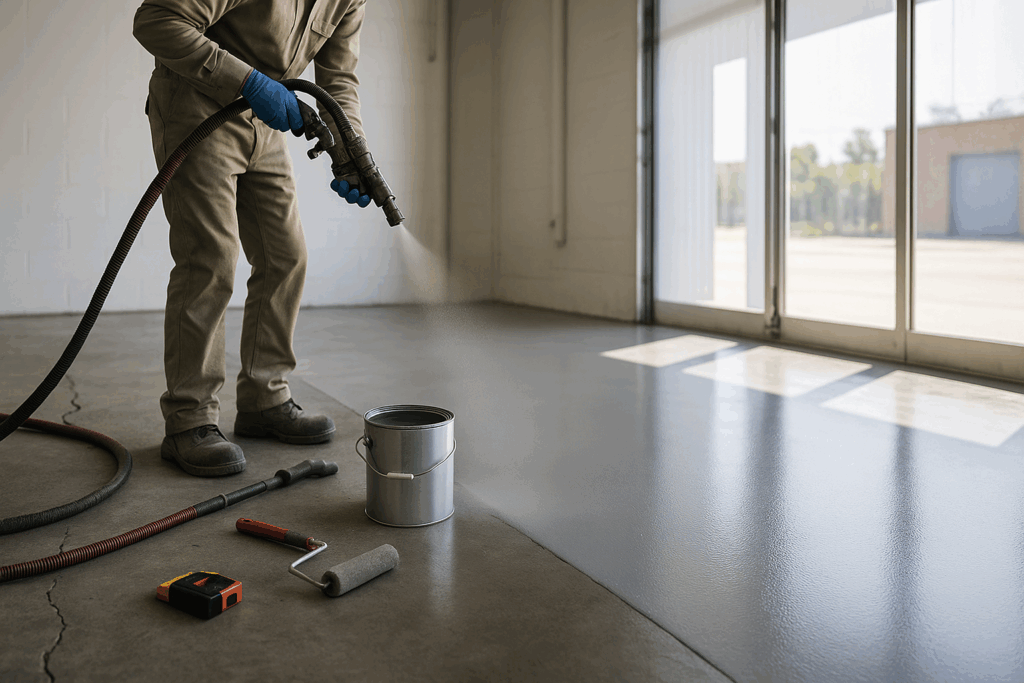
One of the most notable features of polyurea coatings is their fast curing time. While this is advantageous for quick project completion, it requires precise application techniques. Any delay or error during application can lead to uneven surfaces or incomplete bonding.
Sensitivity to Environmental Conditions
Polyurea coatings are sensitive to environmental conditions such as temperature and humidity. These factors can affect the curing process and the final finish of the coating. It is crucial to monitor these conditions closely to ensure optimal results.
- Challenges with Fast Curing:
- Requires precise application
- Risk of uneven surfaces
- Environmental Sensitivity:
- Temperature fluctuations
- Humidity levels
Common Problems with Polyurea Coatings
Bonding Issues with Concrete
A common problem with polyurea coatings is their bonding with concrete surfaces. If the surface is not properly prepared, the coating may not adhere well, leading to peeling or flaking over time. Proper surface preparation is essential to ensure a strong bond.
Air Bubbles from Improper Mixing
Improper mixing of the polyurea components can lead to air bubbles forming in the coating. These bubbles can compromise the integrity of the coating and affect its appearance. It is important to follow the manufacturer’s instructions for mixing to avoid this issue.
- Bonding Challenges:
- Poor surface preparation
- Peeling or flaking
- Air Bubble Formation:
- Improper mixing
- Affects coating integrity
The Challenge of UV Stability in Polyurea Coatings
How UV Exposure Affects Polyurea
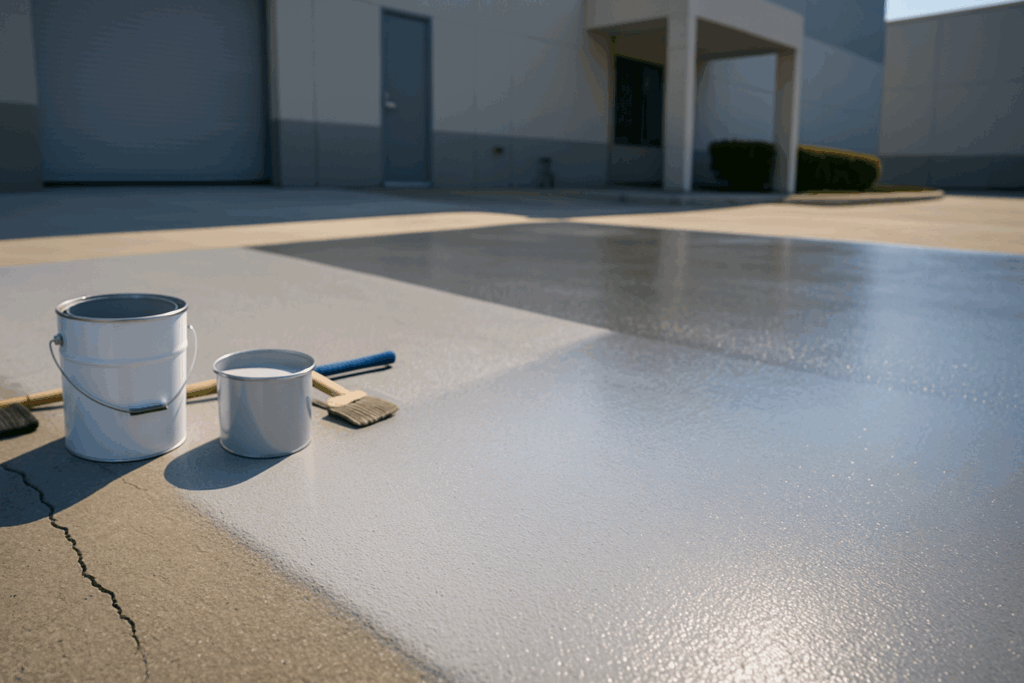
Polyurea coatings can be affected by UV exposure, leading to discoloration and degradation over time. This is particularly a concern for outdoor applications where the coating is exposed to sunlight. UV stability is a critical factor to consider when choosing polyurea coatings.
Solutions for UV Stability
To enhance UV stability, additives can be incorporated into the polyurea formulation. These additives help protect the coating from UV damage and maintain its appearance over time. Selecting a UV-stable polyurea product is essential for outdoor applications.
- UV Exposure Effects:
- Discoloration
- Degradation
- Enhancing UV Stability:
- Use of additives
- UV-stable formulations
Overcoming Application Challenges with Polyurea
Importance of Professional Installation
Professional installation is crucial for achieving the best results with polyurea coatings. Experienced installers have the knowledge and skills to handle the fast curing times and environmental sensitivities of polyurea. They can ensure a smooth and even application.
Tools and Techniques for Effective Application
Using the right tools and techniques is essential for a successful polyurea coating application. This includes proper mixing equipment, application tools, and techniques to ensure even coverage and a strong bond with the concrete surface.
- Benefits of Professional Installation:
- Expertise in handling challenges
- Ensures smooth application
- Essential Tools and Techniques:
- Proper mixing equipment
- Application tools
Cost Comparison: Polyurea vs. Epoxy vs. Polyaspartic Coatings
Initial Costs and Long-Term Value
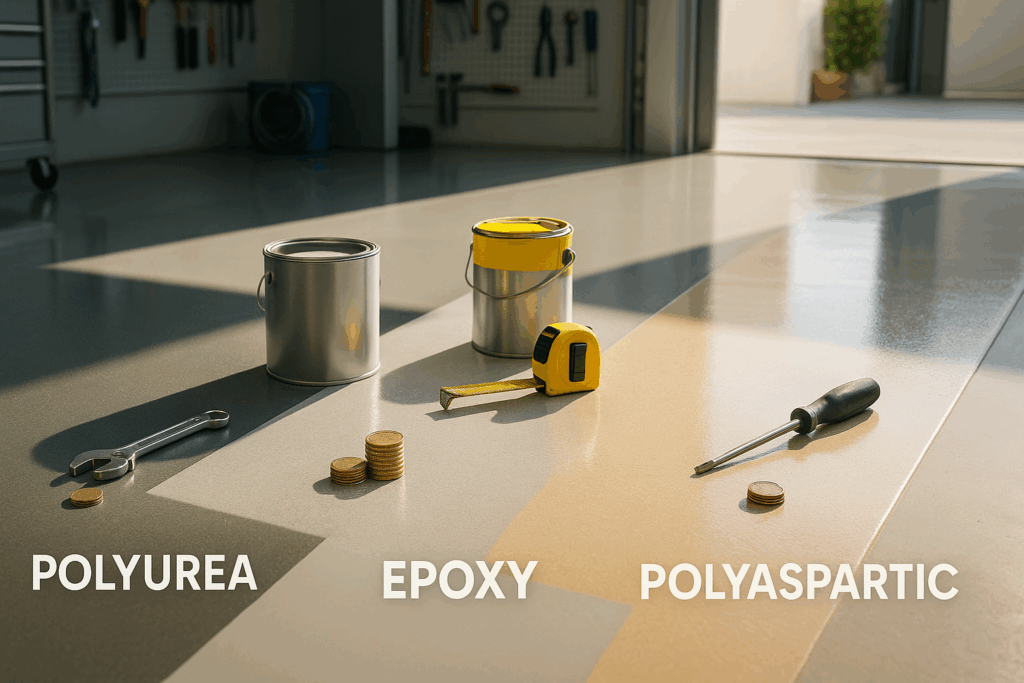
Polyurea coatings may have a higher initial cost compared to epoxy and polyaspartic coatings. However, their durability and resistance to wear and tear can offer long-term value and reduce maintenance costs over time.
Durability and Maintenance Costs
While polyurea coatings are durable, they require proper maintenance to ensure longevity. Comparing the maintenance costs of polyurea, epoxy, and polyaspartic coatings can help determine the best option for your needs.
| Coating Type | Initial Cost | Durability | Maintenance Cost |
| Polyurea | High | High | Low |
| Epoxy | Medium | Medium | Medium |
| Polyaspartic | Medium | High | Low |
Durability Concerns: Polyurea Compared to Polyaspartic
Strength and Longevity
Polyurea coatings are known for their strength and longevity, making them a popular choice for high-traffic areas. However, polyaspartic coatings offer similar benefits with added UV stability, making them a strong contender.
Resistance to Environmental Factors
Both polyurea and polyaspartic coatings offer resistance to environmental factors such as chemicals and abrasion. However, polyaspartic coatings may provide better UV resistance, making them suitable for outdoor applications.
- Strength and Longevity:
- High durability
- Suitable for high-traffic areas
- Environmental Resistance:
- Chemical resistance
- Abrasion resistance
Addressing Moisture Sensitivity in Polyurea Coatings
Identifying Moisture Issues
Moisture issues can affect the performance of polyurea coatings. It is important to identify and address any moisture problems in the concrete surface before application to ensure a successful coating.
Solutions to Mitigate Moisture Sensitivity
To mitigate moisture sensitivity, proper surface preparation and moisture barriers can be used. These solutions help prevent moisture from affecting the curing process and the final finish of the coating.
- Identifying Moisture Issues:
- Check for moisture in concrete
- Address issues before application
- Mitigating Moisture Sensitivity:
- Use moisture barriers
- Ensure proper surface preparation
The Double-Edged Sword of Rapid Curing Times
Benefits of Quick Curing
The rapid curing times of polyurea coatings offer several benefits, including quick project completion and minimal downtime. This makes them ideal for commercial settings where time is of the essence.
Potential Drawbacks and Solutions
While quick curing is beneficial, it can also pose challenges if not managed properly. Ensuring precise application and environmental control can help overcome these challenges and achieve a successful coating.
- Benefits of Quick Curing:
- Fast project completion
- Minimal downtime
- Drawbacks and Solutions:
- Requires precise application
- Environmental control is crucial
The Importance of Professional Installation for Polyurea Coatings
Expertise and Experience
Professional installation ensures that polyurea coatings are applied correctly, taking into account the fast curing times and environmental sensitivities. Experienced installers can provide a high-quality finish that meets your expectations.
Avoiding Common Mistakes
By choosing professional installation, you can avoid common mistakes such as improper mixing, uneven application, and poor surface preparation. This ensures a durable and long-lasting coating.
- Benefits of Professional Installation:
- Expertise in handling challenges
- Ensures high-quality finish
- Avoiding Mistakes:
- Proper mixing and application
- Thorough surface preparation
Conclusion
Polyurea concrete floor coatings are an excellent investment for both residential and commercial spaces due to their durability, chemical resistance, and fast curing times. However, proper surface preparation, environmental control, and professional installation are crucial to avoid common problems like bonding issues, air bubbles, and UV damage.
By understanding these challenges and following best practices, you can enjoy a long-lasting, visually appealing polyurea floor that meets your functional and aesthetic needs. For outdoor applications or high-traffic areas, selecting UV-stable formulations and consulting experienced professionals ensures optimal results.
People Also Asked
What are the benefits of professional installation for polyurea coatings?
Professional installation offers several benefits, including expertise in handling the fast curing times and environmental sensitivities of polyurea coatings. This ensures a smooth and even application, resulting in a durable and long-lasting finish.
How do I choose the right contractor for polyurea coatings?
Choosing the right contractor involves researching their experience, reputation, and customer reviews. It is important to select a contractor with a proven track record in polyurea coating applications to ensure the best results.
Can I apply polyurea coatings myself?
While it is possible to apply polyurea coatings yourself, it is not recommended due to the challenges associated with fast curing times and environmental sensitivities. Professional installation is advised to achieve the best results.
Is polyurea better than epoxy for garage floors?
Polyurea is often considered better than epoxy for garage floors due to its durability and resistance to chemicals and abrasion. However, the choice depends on specific needs and budget considerations.
Can polyurea coatings be used outdoors?
Yes, polyurea coatings can be used outdoors, but it is important to select a UV-stable product to prevent fading and degradation. Proper application and maintenance are also crucial for outdoor use.
How long does polyurea take to cure?
Polyurea coatings typically cure within a few hours, allowing for quick project completion. However, environmental conditions such as temperature and humidity can affect the curing time.
How can I prevent air bubbles in polyurea coatings?
To prevent air bubbles in polyurea coatings, it is important to mix the components thoroughly and follow the manufacturer’s instructions. Using the right mixing equipment and techniques can help achieve a smooth and bubble-free finish.
What causes polyurea coatings to fade?
Polyurea coatings can fade due to UV exposure and environmental factors. Selecting a UV-stable product and incorporating additives can help maintain the coating’s appearance over time.
Are polyurea coatings moisture-sensitive?
Polyurea coatings are sensitive to moisture, which can affect their curing process and final finish. It is important to ensure the concrete surface is dry and free of moisture before application.