

Surface preparation is a crucial step in the application of polyurea coatings. It ensures that the coating adheres properly and performs optimally over time. Without proper preparation, even the best polyurea coatings can fail, leading to costly repairs and replacements. This guide will walk you through the essential steps to prepare surfaces for polyurea coating, ensuring long-lasting results.
Importance of Proper Surface Preparation
Proper surface preparation is vital for the success of polyurea coatings. It enhances the adhesion between the substrate and the coating, preventing peeling and blistering. By removing contaminants and creating a suitable surface profile, you ensure that the coating bonds effectively, providing a durable and protective layer.
Benefits of Polyurea Coating
Polyurea coatings offer numerous benefits, including exceptional durability, fast curing times, and resistance to chemicals and abrasion. These coatings are versatile and can be applied to various surfaces, making them ideal for industrial, commercial, and residential applications.
- Durability: Polyurea coatings are known for their long-lasting performance.
- Fast Curing: They cure quickly, reducing downtime.
- Chemical Resistance: They withstand harsh chemicals and environments.
Step-by-Step Surface Preparation Process
Identify the Substrate Type
Understanding the type of substrate is the first step in surface preparation. Different substrates, such as concrete, metal, or wood, require specific preparation techniques to ensure optimal coating performance.
Mask and Protect Surrounding Areas
Before starting the preparation process, it’s essential to mask and protect areas that should not be coated. This prevents accidental overspray and ensures a clean application.
Clean the Surface Thoroughly
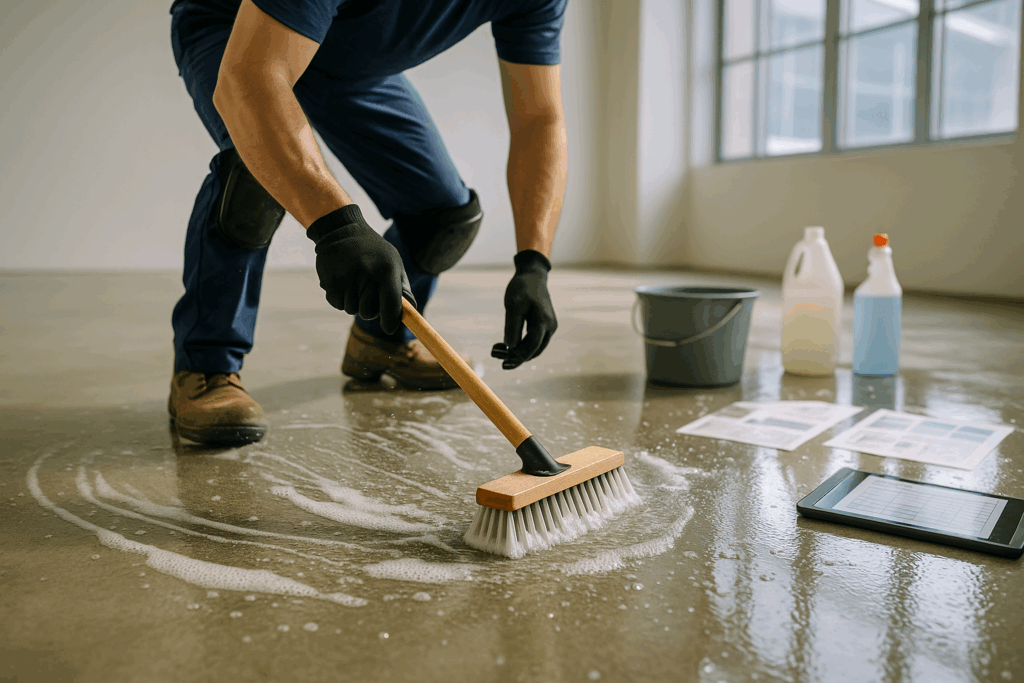
Cleaning the surface is crucial to remove dirt, grease, and other contaminants. A clean surface ensures better adhesion and prevents defects in the coating.
- Use appropriate cleaning agents for different substrates.
- Rinse thoroughly to remove all residues.
Remove Existing Coatings or Loose Material
Existing coatings or loose materials can hinder the adhesion of the new polyurea coating. It’s important to remove them completely to create a smooth and clean surface.
Achieve the Correct Surface Profile
Creating the right surface profile is essential for the coating to adhere properly. This involves roughening the surface to the required texture, which varies depending on the substrate and coating specifications.
Dry the Surface
Moisture can negatively affect the adhesion and curing of polyurea coatings. Ensure the surface is completely dry before applying the coating.
Assess Ambient Conditions
Ambient conditions, such as temperature and humidity, can impact the application and curing of polyurea coatings. It’s important to assess and adjust these conditions to meet the coating manufacturer’s recommendations.
Apply the Right Primer Before Polyurea
Primers enhance the adhesion of polyurea coatings, especially on challenging substrates. Applying the right primer is a critical step in the preparation process.
Mix and Test Materials
Before application, mix the polyurea materials according to the manufacturer’s instructions. Testing a small area can help ensure the mixture is correct and the coating will perform as expected.
Do a Final Check Before Spraying
A final inspection of the surface and equipment ensures everything is ready for the application. This step helps prevent issues during the coating process.
- Inspect the surface for cleanliness and dryness.
- Check equipment for proper functioning.
Enhancing Coating Longevity with Proper Preparation
Stronger Adhesion and Longer Lifespan
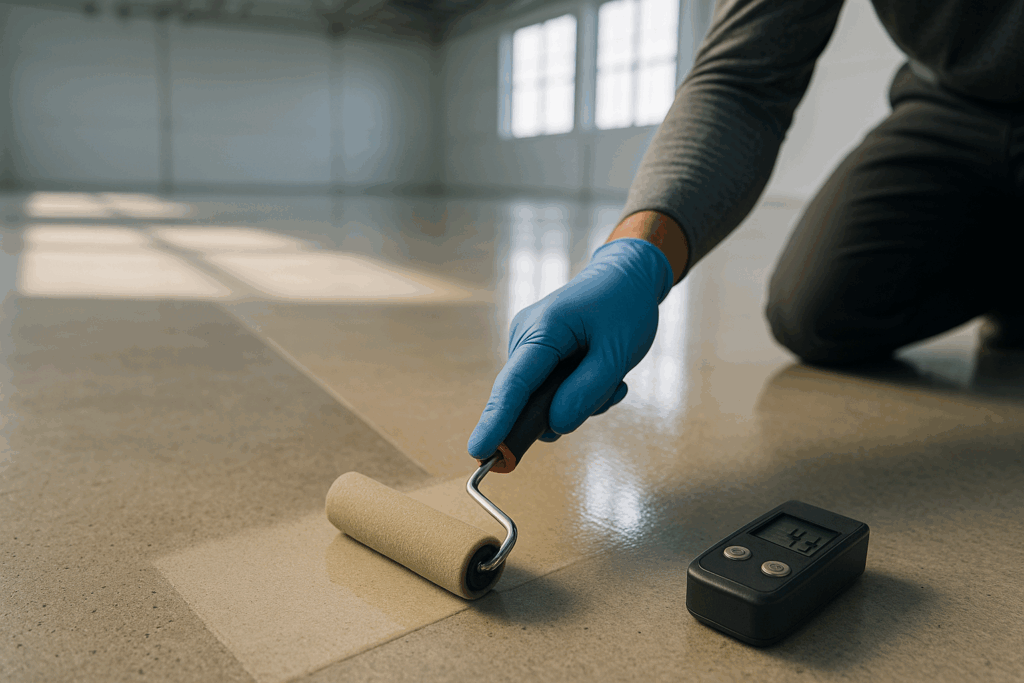
Proper surface preparation leads to stronger adhesion, which directly impacts the lifespan of the polyurea coating. A well-prepared surface ensures the coating remains intact and performs effectively over time.
Better Resistance to Moisture, Abrasion, and Chemicals
A properly prepared surface enhances the coating’s resistance to moisture, abrasion, and chemicals. This is crucial for applications in harsh environments where the coating is exposed to various stressors.
- Moisture resistance prevents water damage.
- Abrasion resistance protects against wear and tear.
- Chemical resistance ensures durability in harsh conditions.
Surface Preparation Checklist for Polyurea Coating
Precautions to Take
Taking the right precautions during surface preparation can prevent accidents and ensure a successful coating application. This includes wearing protective gear and following safety guidelines.
Importance of Documentation
Documenting the surface preparation process is important for quality control and future reference. It helps track the steps taken and ensures compliance with industry standards.
- Record substrate type and preparation methods.
- Note ambient conditions during preparation.
Understanding Polyurea Coating
What Is Polyurea
Polyurea is a type of elastomer derived from the reaction of an isocyanate component and a resin blend component. It is known for its rapid curing and exceptional durability.
Aliphatic vs. Aromatic Polyurea
Polyurea coatings can be classified into aliphatic and aromatic types. Aliphatic polyurea offers better UV stability, while aromatic polyurea is more cost-effective but may yellow over time.
Pros of Polyurea Coating
Polyurea coatings offer several advantages, making them a popular choice for various applications.
- Waterproofing: Provides excellent water resistance.
- Durability: Offers long-lasting protection.
- Fast-Drying: Reduces downtime during application.
- High-Build Application: Allows for thick coatings in a single pass.
- Versatility: Suitable for a wide range of surfaces and environments.
Boosting Efficiency with Polyurea Coating Projects
Fast-Turnaround Projects
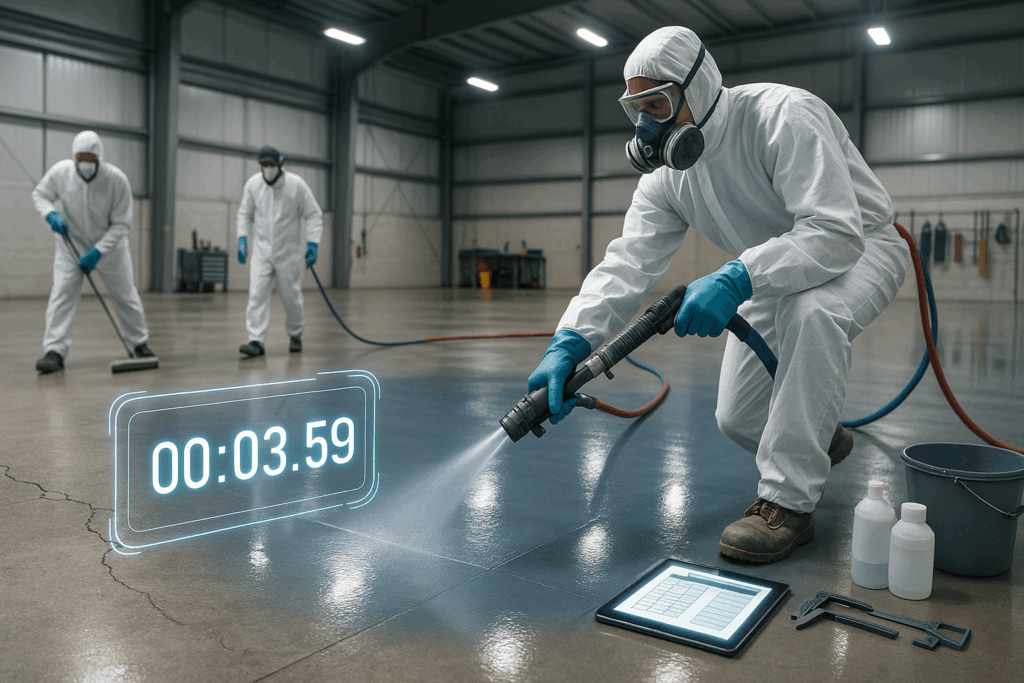
Polyurea coatings are ideal for projects requiring quick turnaround times. Their fast curing properties allow for rapid application and minimal downtime.
Cost-Effectiveness
Despite their initial cost, polyurea coatings are cost-effective in the long run due to their durability and low maintenance requirements.
- Reduced maintenance costs over time.
- Long-lasting protection minimizes the need for frequent reapplications.
Resources for Surface Preparation and Polyurea Coating
Spray Foam & Coating Resources
Access to quality resources and materials is essential for successful surface preparation and polyurea coating application. This includes training materials, technical support, and product information.
Surface Preparation Tools and Equipment
Having the right tools and equipment is crucial for effective surface preparation. This includes grinders, sanders, and cleaning equipment tailored to the specific substrate.
- Grinders and sanders for surface profiling.
- Cleaning equipment for thorough surface cleaning.
Conclusion
Proper surface preparation is the foundation of a successful floor coating system, especially when using polyurea. From identifying the substrate and cleaning thoroughly to establishing the right surface profile and using primer, each step impacts long–term coating performance. When surfaces are properly prepped, polyurea delivers outstanding adhesion, fast cure times, chemical resistance, and long-lasting durability in commercial, industrial, and residential environments.
Following manufacturer guidelines, monitoring job-site conditions, and using the right equipment can help prevent premature coating failure and ensure a flawless finish. For high-traffic applications or complex substrates, professional installation is strongly recommended. Certified installers have the experience, surface-prep tools, and moisture-testing systems needed to deliver long-term results with minimal downtime.
Frequently Asked Questions (FAQs)
What is the Best Way to Prepare a Surface for Polyurea Coating?
The best way to prepare a surface for polyurea coating is to clean it thoroughly, remove any existing coatings, and create the correct surface profile. This ensures optimal adhesion and performance of the coating.
Why is Primer Important in Polyurea Coating?
Primer is important in polyurea coating because it enhances adhesion between the substrate and the coating. It also helps seal the surface, preventing moisture and contaminants from affecting the coating.
Can Polyurea Coatings Be Applied Without Primer?
Polyurea coatings can sometimes be applied without primer, but using a primer is recommended for better adhesion and performance. Primers are especially important for challenging substrates or harsh environments.
How Long Should the Surface Dry Before Coating?
The surface should be completely dry before applying the polyurea coating. The drying time depends on the substrate and environmental conditions, but it is crucial to ensure no moisture is present.
What Tools Are Needed for Proper Surface Preparation?
Proper surface preparation requires tools such as grinders, sanders, and cleaning equipment. These tools help achieve the correct surface profile and ensure the surface is clean and ready for coating.
Can Polyurea Coating Fail Due to Poor Preparation?
Yes, polyurea coating can fail due to poor preparation. Inadequate cleaning, improper surface profiling, or failure to apply primer can lead to adhesion issues and coating defects.
Is Professional Installation Recommended for Polyurea Coatings?
Professional installation is recommended for polyurea coatings to ensure proper surface preparation and application. Professionals have the expertise and equipment needed for successful coating projects.
How Does Surface Preparation Affect Coating Performance?
Surface preparation directly affects coating performance by ensuring proper adhesion and durability. A well-prepared surface leads to a longer-lasting and more effective polyurea coating.